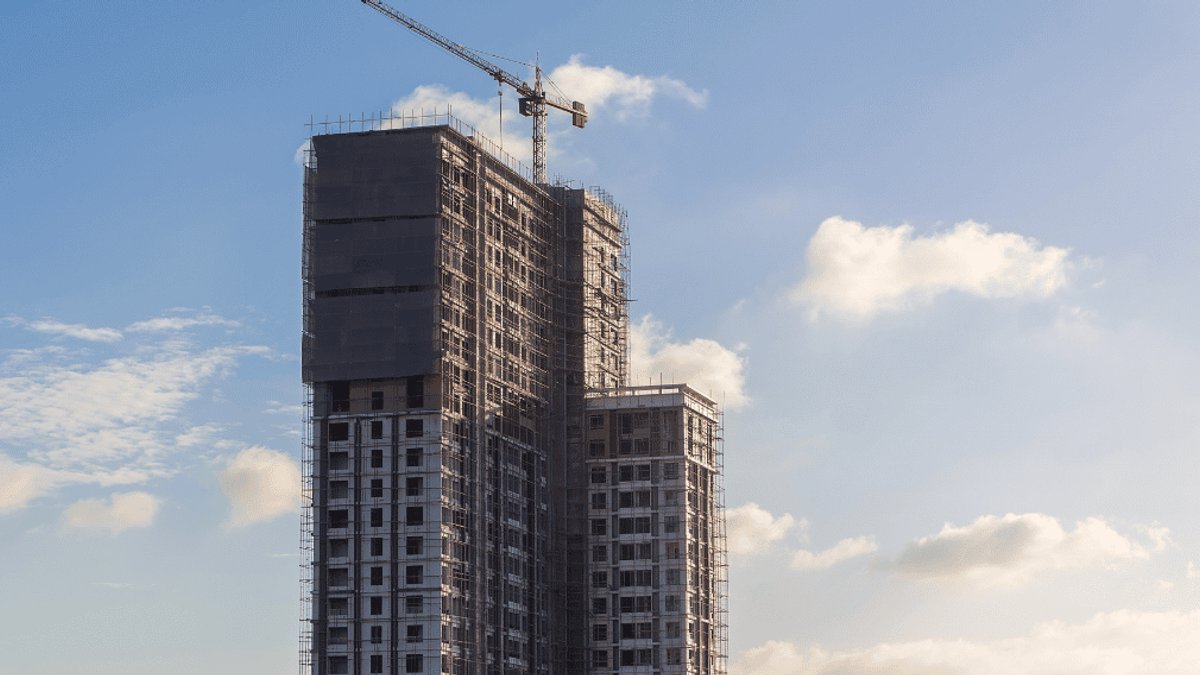
Canada’s foreign buyer ban, set to expire in January 2027, has had little effect on home prices but has worsened the slowdown in the condo market. The policy, introduced three years ago, aimed to reduce housing costs by restricting overseas investment. Instead, it has halted new construction and left developers unable to launch projects.
Foreign buyers were never the main problem
The ban took effect despite warnings it would do little. Data from the Real Estate Institute of Canada confirmed those concerns. Overseas purchasers made up only 3% to 5% of transactions in major cities at their highest point—not enough to influence the market. The institute described the measure as “largely symbolic.”
The policy’s effects have been tangible. The condo sector, where foreign investment plays a larger role, has suffered most. Developers usually need to presell 70% of units before starting construction. While foreign buyers represent a small portion of the overall market, they account for about 10% of presale buyers. Without them, projects fail to secure financing, and launches have stalled.
Toronto had no new condo launches in the first quarter of 2026—the first time in three decades. A record number of completed units remain unsold, and future supply has stopped. Last year, over two dozen developers wrote to the prime minister and housing minister, requesting an exemption for newly built homes. Their point was clear: foreign capital doesn’t drive up resale prices, but it’s necessary to start new developments.
Australia’s model offers a middle path
Ottawa has noticed Australia’s approach, which blocks foreign buyers from purchasing existing homes but permits investment in new construction. The policy keeps capital flowing into supply without raising costs for local buyers. It’s a balance that could work in Canada, where the Canada Mortgage and Housing Corporation estimates 3.5 million new homes are needed by 2030.
Related: Agent’s phrasing undermines SRP disclosure says buyer
Prime Minister Mark Carney has pushed for doubling homebuilding rates, but the market isn’t cooperating. Even with lower interest rates, buyers remain cautious. Many expect prices to drop further. The average Greater Toronto Area condo now sells for $639,000, down from nearly $800,000 in early 2022. That hesitation keeps potential buyers away, further slowing the market.
Developers face a straightforward problem: no presales mean no projects. Without new construction, the broader economy suffers. Every stalled project reduces housing availability. The ban’s unintended result has been to make homes scarcer, not more affordable. If the aim was to help local buyers, it hasn’t worked. If the aim was to penalize foreign investors, it has—but with consequences no one wanted.
Debate continues over whether lifting the ban or creating an exemption for new condos could revive the market. What is certain is that the current situation isn’t sustainable. The condo freeze isn’t just a developer issue—it’s a housing crisis unfolding slowly, and those who need homes are paying the price.
For now, the ban stays in place. With its expiration approaching, discussions about whether to end it, adjust it, or adopt a model like Australia’s are growing urgent. The condo market can’t wait much longer.
A similar decline in home sales in the UK last month highlights how policies targeting foreign buyers often miss their mark.


