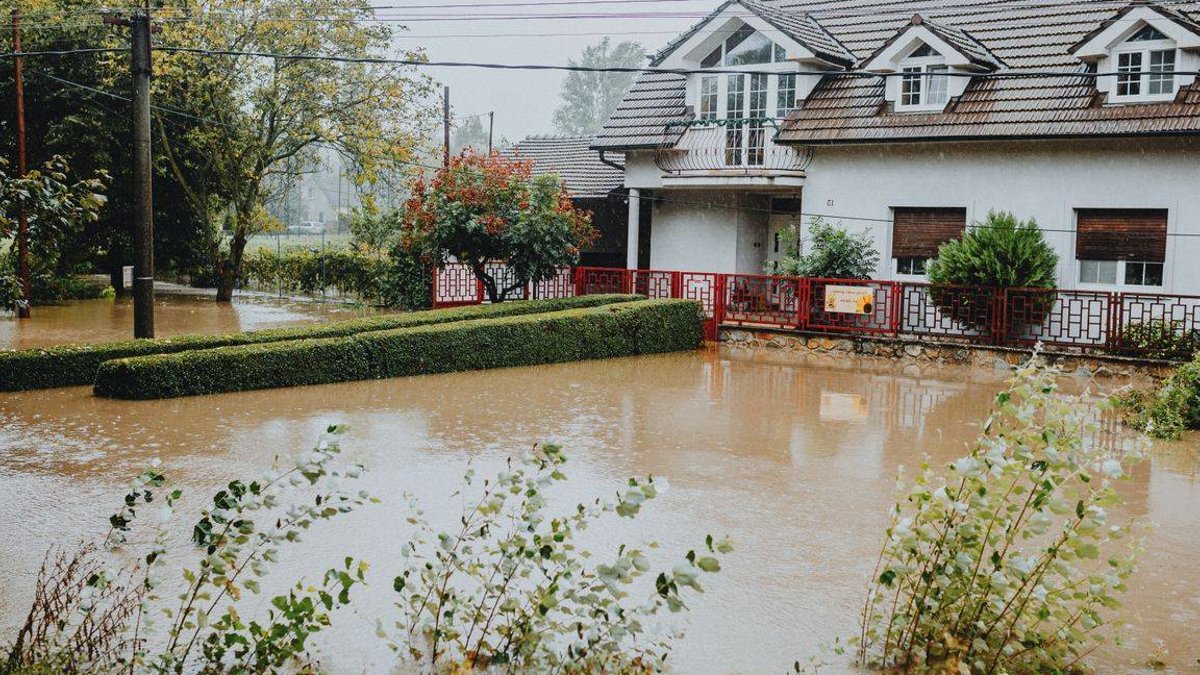
Climate risk is reshaping how Indian real estate is valued, invested in, and developed. Historically, factors like location, infrastructure, and developer reputation took precedence over climate concerns. But studies now show that flood-prone properties in Mumbai saw 12.6% to 15% lower residential sales prices, according to Sage Journals.
Flood Risk Enters the Valuation Debate
The link between flooding and property values is well-established. Investors have long avoided areas with poor drainage or frequent waterlogging. However, rapid urbanization and unpredictable weather patterns are making these risks more pressing. Research from the Indian Institute of Management Bangalore found that flood-affected areas in Mumbai experienced an average 12% to 13% drop in property values.
A 2026 study in Discover Cities highlights that climate vulnerability is often overlooked in Indian real estate investment and valuation. Yet, this may change as climate resilience gains importance in property assessments.
The Growing Importance of Climate Risk
Real estate is especially vulnerable to climate risks due to the long-term nature of buildings and land, often in use for 40 to 60 years or more. Flooding can damage basements, electrical systems, and parking areas, while also disrupting access to commercial and residential spaces. For commercial properties, this can result in lost rental income and increased operational costs.
A CBRE report notes that climate events are driving up insurance costs and reducing insurability in high-risk areas. This creates a financial chain reaction: physical damage leads to higher costs, impacting income and asset value. Consequently, climate resilience is becoming a key factor in property investment and management.
For example, Link REIT invested in climate-resilient infrastructure, including anti-flooding measures, achieving an 11.7% reduction in insurance premiums.
However, individual developments have limitations. A building with robust internal systems may still be at risk if surrounding roads flood. This highlights the need for city-wide infrastructure improvements, as noted in the Bengaluru Urban Flood Report by Knight Frank.
Cities like Mumbai, Chennai, and Bengaluru face unique climate risks, from coastal flooding to severe waterlogging. The 2026 Discover Cities study stresses the need for better integration of climate risk information into real estate markets, from valuation reports to buyer disclosures.
Without such transparency, buyers may struggle to assess long-term risks. This could lead to stranded assets—properties losing value prematurely due to climate exposure, higher insurance costs, or shifts in tenant demand.
While climate risk is not yet standard in property valuation, it is gaining traction. Factors like flood history, drainage capability, and proximity to water bodies may soon rival traditional location advantages in importance.
The concept of “location advantage” is evolving. A well-connected property prone to flooding may now be less desirable than one with better drainage and higher elevation. This shift could redefine property valuation and marketing.
Climate Resilience as a Property Attribute
The focus is shifting from identifying climate risks to assessing how well properties are prepared for them. Measures like raising electrical systems, waterproofing basements, and installing flood barriers can mitigate damage from heavy rain.
The Role of Insurance and Buyer Awareness
Insurance costs are becoming a critical factor in property ownership, with premiums increasingly tied to climate risks. Properties in high-risk areas may face higher costs or reduced coverage, influencing investor decisions and asset values.
For homebuyers, climate risk remains a less visible concern, often overshadowed by factors like price, location, and amenities. Increased transparency in property disclosures could empower buyers to make more informed decisions, potentially driving demand for resilient homes.


