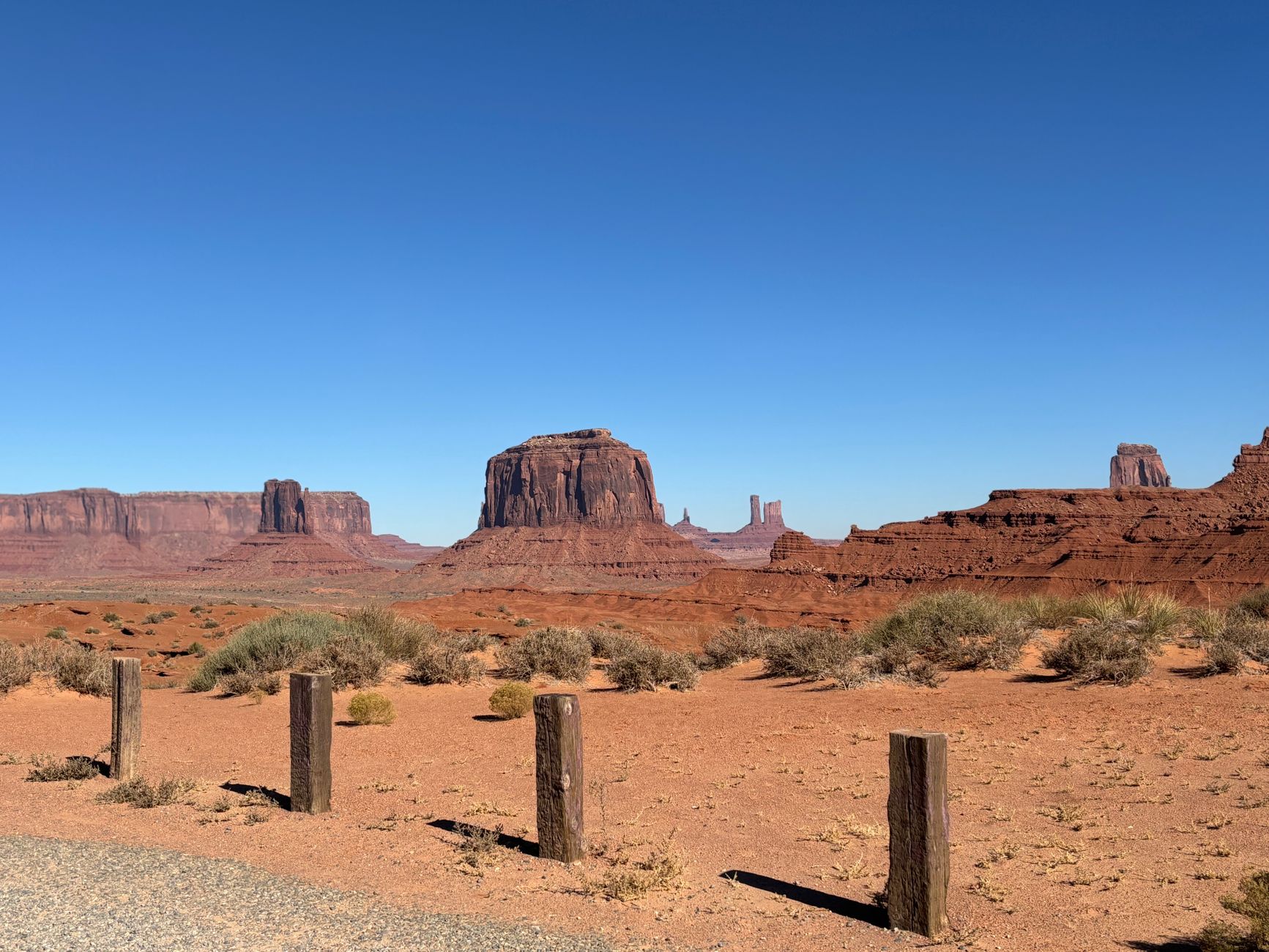
Arizona’s rural land market is experiencing unprecedented demand from cash buyers seeking alternatives to traditional real estate investments. Industry data shows remote desert parcels and undeveloped acreage are attracting investors nationwide, driven by rising property taxes in urban areas and the appeal of off-grid living.
Rural Counties Leading Growth
Apache County, traditionally Arizona’s most affordable land market, has seen cash transactions increase 40% over the past two years. Properties previously valued at $500-$1,000 per acre are now commanding $2,000-$5,000, particularly parcels with well access or proximity to state highways.
“We’re seeing buyers from California, Texas, and the Pacific Northwest specifically targeting Arizona’s high-elevation desert areas,” explains Nathan, a Phoenix-based land investor who has completed over 150 property transactions across the state. “Apache and Navajo counties offer four-season climates at elevation, which appeals to people escaping extreme heat or expensive coastal markets.”
The trend extends beyond recreational buyers. Solar developers are acquiring large desert parcels in Mohave and La Paz counties, while agricultural investors focus on Graham and Yuma counties where Colorado River access supports year-round farming operations. Many of these transactions involve selling land in Apache County and other rural areas where traditional real estate agents have limited experience.
Cash Transactions Dominate
Traditional financing remains challenging for raw land purchases, creating opportunities for cash buyers. Most banks require 25-50% down payments for vacant land, with higher interest rates than residential mortgages. This financing gap has enabled direct buyers to acquire properties quickly, often closing within 7-30 days.
“Bank appraisals on remote land are notoriously difficult,” notes Nathan. “Properties without utilities, paved road access, or recent comparable sales often can’t secure traditional financing. Cash buyers step in where banks won’t lend.”
The financing challenges particularly affect inherited land sales. Many Arizona families own desert parcels passed down through generations but lack the resources to develop or maintain them. Rising property taxes and HOA fees on undeveloped land create pressure to sell inherited land quickly for cash.
Investment Drivers Beyond Recreation
While hunting retreats and off-grid homesteads drive some purchases, commercial applications are increasingly common. Cryptocurrency mining operations seek remote locations with cheap power access. Solar installers target flat desert parcels near existing transmission lines. Even Hollywood productions scout Arizona’s diverse landscapes for filming locations.
Water rights add another investment layer. Properties with existing wells or Colorado River allocations command premium prices, especially as urban development strains Arizona’s water resources. Some investors acquire land purely for future water rights appreciation.
Market Outlook
Arizona’s population growth continues driving land demand. The state added over 280,000 new residents in the past two years, many seeking larger properties outside metro areas. Remote work flexibility enables buyers to purchase land farther from traditional employment centers.
Industry observers expect the cash buyer trend to persist as traditional financing remains restrictive for vacant land. Direct purchase companies are expanding operations statewide to meet demand from sellers needing quick liquidity.
For landowners considering a sale, the current market offers advantages over traditional listing approaches. Cash land buyers in Arizona typically cover all closing costs and can accommodate flexible timelines, appealing to estate sales and out-of-state owners managing inherited properties.
Local expertise matters in evaluating remote Arizona land, as access rights, water availability, and zoning restrictions vary significantly by county. Buyers and sellers benefit from working with professionals familiar with rural property transactions and local market conditions.
The Arizona land market’s evolution reflects broader real estate trends toward alternative investments and lifestyle changes accelerated by recent economic shifts. As urban real estate prices remain elevated, rural land continues attracting both recreational buyers and commercial investors seeking long-term value in the Southwest’s growth markets.


