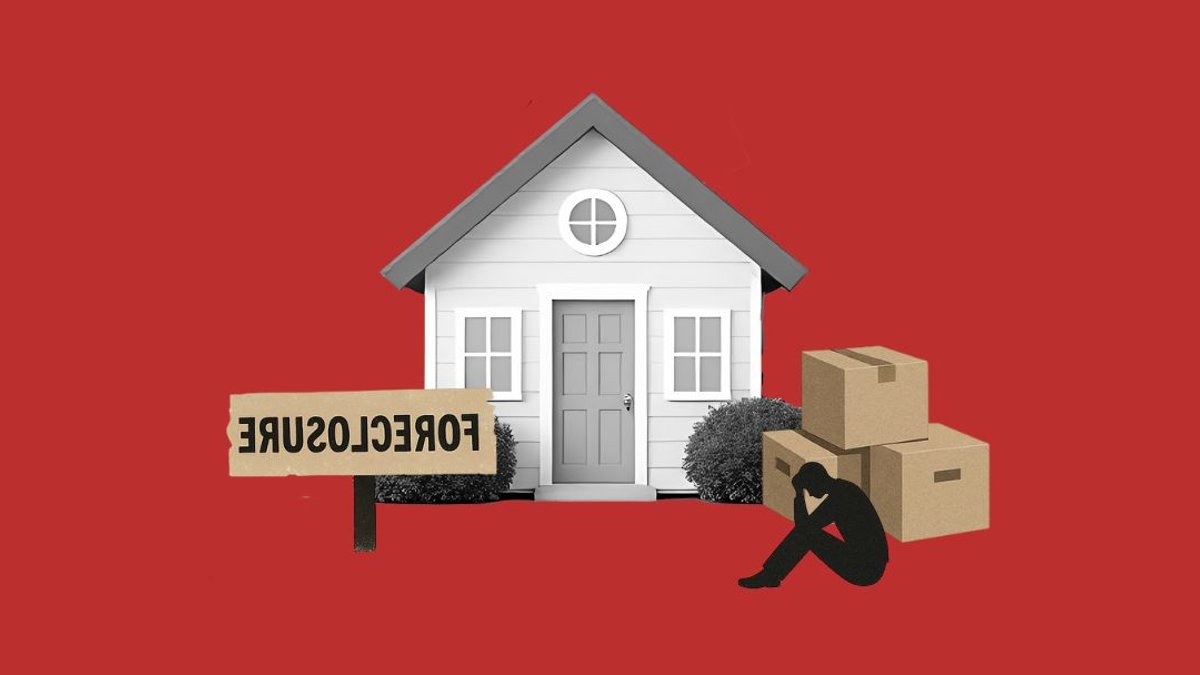
Recently, foreclosure data showed a 21% year-over-year gain, sparking concerns of an impending home-price crash. However, the report indicates that this increase does not necessarily indicate a foreclosure crisis.
The New York Federal Reserve’s quarterly Household Debt and Credit Report provides a more accurate picture of the situation. The report’s data on mortgage delinquency rates and credit risk cycles suggests that the current situation is not comparable to the housing bubble crisis of 2005-2008.
Understanding the Data
Traditionally, 1%-4% of mortgage loans are in some stage of delinquency, and foreclosures happen every year. The current delinquency rate is not unusually high, and the credit profiles of homeowners look great in scale terms due to laws such as the Bankruptcy Reform Law and Dodd-Frank.
The weekly new listings data is also an important indicator of the housing market’s health. If the market were experiencing a credit bust, new listings would increase significantly. However, the last five years have seen the lowest new listings data in history.
Related: Home sales rise but higher rates dampen demand
Comparing to the Past
In 2010, over 23% of homes were underwater, and distressed sellers flooded the market. In contrast, today 40% of homes don’t even have a mortgage, and homeowners’ net equity is massive. The total loan-to-value (LTV) data has decreased from 85% in 2008 to 45.1% today.
Most Americans now have 30-year fixed rates, with the majority having rates under 6%. This means that as wages rise, debt costs remain the same, leaving more money for other expenses. Unlike the housing bubble crash years, there is no payment shock in the system due to rate recasts.
When considering the possibility of a foreclosure crisis, it’s essential to remember that foreclosure is a process that takes time. The process starts with late notices, followed by a notice of default, and it takes time for the supply to hit the market.
A Different Market
The housing market has changed significantly since the housing bubble crisis. With more homeowners having fixed rates and higher down payments, the risk of foreclosure is lower. The data suggests that the current situation is not indicative of a foreclosure crisis, but rather a return to normal levels of delinquency and foreclosure.
Related: Kitchen Contractors Reveal the Most Durable Countertops for Busy Homes
It’s also worth considering the impact of laws such as the Bankruptcy Reform Law and Dodd-Frank on the credit profiles of homeowners. These laws have contributed to a more stable housing market, making it less likely for a foreclosure crisis to occur.
In the middle of this discussion, it’s clear that the narrative of a fake foreclosure crisis is being used to scare people. But for those who are actually affected by the housing market, the reality is that the current situation is not as dire as it’s being made out to be. Homeowners who are struggling with mortgage payments can still seek help, and the data suggests that the market is not on the verge of a crisis.
The total number of mortgage loans in delinquency is still within normal ranges, and the credit risk cycle is not indicating a high risk of foreclosure. The new listings data is also not suggesting a significant increase in foreclosures.
As the housing market continues to evolve, it’s essential to look at the data and not get caught up in the narrative of a fake foreclosure crisis. The reality is that the market is returning to normal levels, and the risk of foreclosure is lower than it was during the housing bubble crisis.


