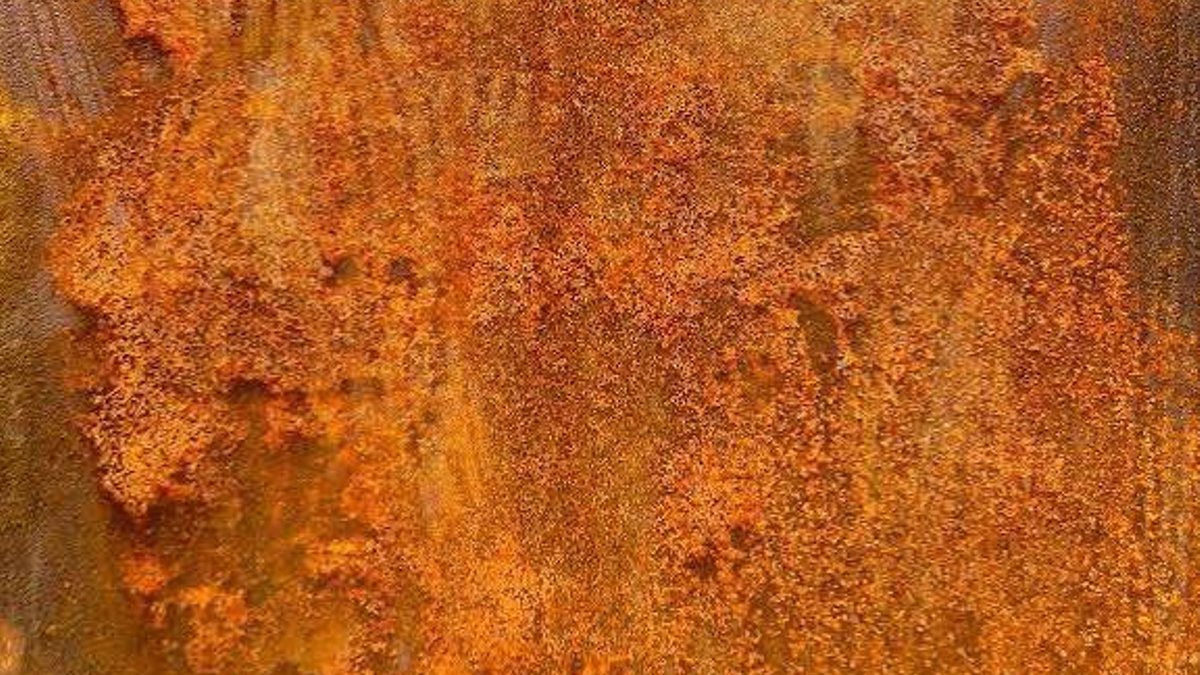
India’s annual economic losses from corrosion now reach ₹14 lakh crore, equivalent to 4.3% of its gross domestic product, based on findings from a recent report. The damage affects power grids, transportation systems, telecommunications, and automotive infrastructure, but the construction industry faces growing scrutiny. Real estate developers are increasingly adopting stainless steel rebars to address corrosion-related challenges, prioritizing durability over short-term cost savings.
The industry’s response stems from corrosion’s role in accelerating infrastructure degradation, increasing maintenance expenses, and compromising safety. According to the report, improved corrosion protection measures could raise GDP by 1.5% by prolonging asset lifespans and reducing lifecycle costs. For a nation undergoing rapid urbanization, the balance between immediate expenses and long-term reliability has become a critical consideration.
Market activity already reflects this shift. Whiteland Corporation, one of India’s leading developers, has integrated stainless steel rebars into projects such as The Westin Residences Gurugram, collaborating with Jindal Stainless for structural applications. This approach supports a growing emphasis on lifecycle-based construction, where material selection is evaluated based on performance over decades rather than initial purchase costs.
Sudeep Bhatt, Director-Strategy at Whiteland Corporation, described the change as a direct response to shifting buyer priorities. “Today’s consumers demand homes built for longevity, focusing on structural strength, durability, and low maintenance rather than just surface aesthetics and convenience,” he said. “Developers need to move beyond upfront costs and adopt construction materials and engineering practices that deliver superior lifecycle value.
Read Also: IRIDESA tops off new Etobicoke rental tower
At Whiteland, we have partnered with Jindal Stainless and incorporated stainless steel rebars in the diaphragm wall of our project, creating a stronger and more resilient foundation. This significantly enhances structural integrity while offering superior resistance to water ingress and corrosion, helping ensure long-term durability and performance. As the industry evolves, such future-ready construction practices will play an increasingly important role in creating resilient, high-quality developments that stand the test of time.”
Rajamani Krishnamurti, President of the Indian Stainless Steel Development Association (ISSDA), highlighted that India’s varied climates necessitate materials proven to withstand environmental stresses. “Given India’s diverse and aggressive corrosive environments, material specification must be driven by rigorous environmental and metallurgical parameters rather than legacy choices. Deploying stainless steel rebars in critical structural assets drastically reduces not only the structural rehabilitation but also lifecycle maintenance, ensuring uncompromised safety and protecting capital investments across India’s rapidly growing urban environment.”
The demand for corrosion-resistant materials also reinforces sustainability objectives. Structures with extended lifespans generate less waste and require fewer maintenance interventions, supporting India’s broader goals for efficient resource management. While the real estate sector has historically emphasized construction speed, specialists argue the focus must now expand to include materials that endure over time while maintaining durability.


