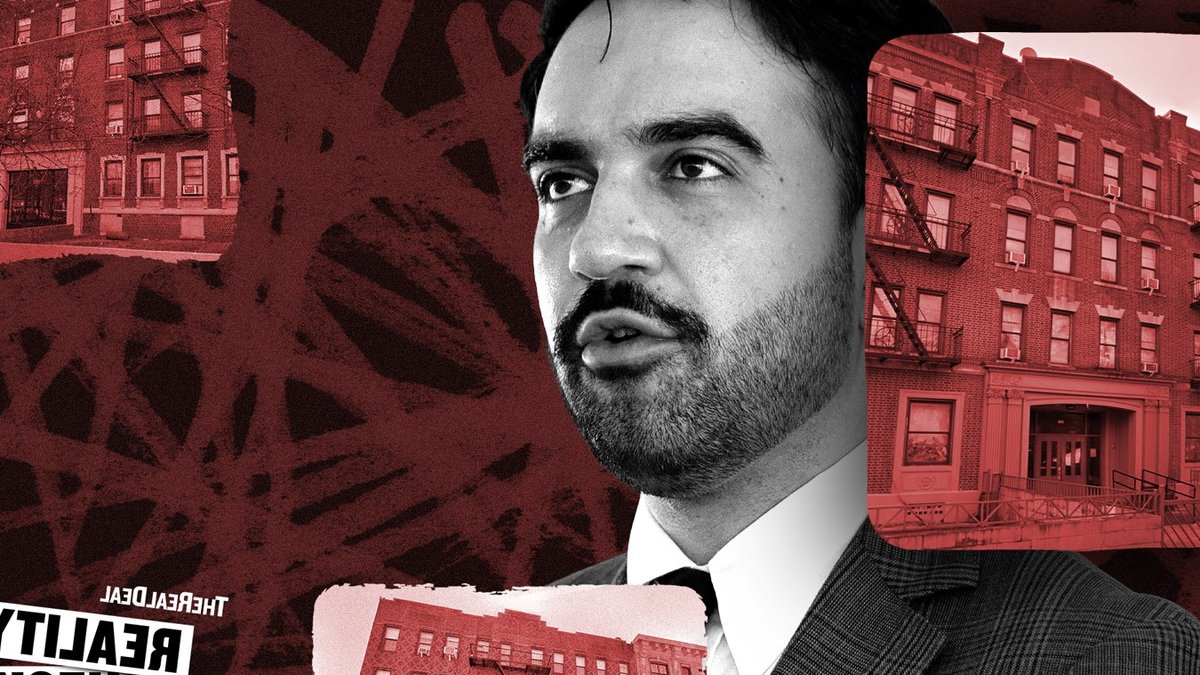
The mayor’s transfer program moved three rent‑stabilized blocks in Crown Heights toward a new ownership model, sparking debate over the city’s role in distressed housing.
Sale of three long‑neglected buildings
The properties at 1018 Eastern Parkway, 1074 Eastern Parkway and 1392 Sterling Place changed hands for about $86,000 per unit. They were previously tied to Rubin Dukler, a landlord long cited for poor maintenance, although he died in 2022.
The transaction was a foreclosure purchase, not a straightforward acquisition. The court‑ordered sale followed a complicated chain that began with a 2017 agreement between the Dukler family and Iris Holdings Group.
Legal and financial hurdles
Iris Holdings backed out after a lead‑poisoning judgment of $2.2 million hit the associated entity, Rikud Realty. The Housing Stability and Tenant Protection Act later limited rent‑increase options, further devaluing the assets.
Without the ability to raise rents on vacancy, any buyer would have faced a steep gap between operating costs and revenue. The law also curtailed programs that let owners recoup major capital improvements.
For tenants, a decade of neglect followed. Reports describe infestations, leaks, mold and freezing interiors.
The municipality placed the sites in its Alternative Enforcement Program, making limited emergency repairs. Officials have acknowledged that the program’s impact is modest.
Mayor’s “responsible steward” approach
Mayor Mamdani’s plan to rescue such buildings is to transfer them to “responsible stewards,” but the city lacks a clear mechanism for such transfers. Traditional tax‑sale seizures have been replaced by lien sales and a Third‑Party Transfer process that remains suspended.
Even with a new steward, the math stays tight. Operating expenses leave little surplus for upkeep, so any owner must inject capital to keep the buildings habitable.
These trends illustrate a broader tension: policies aimed at preserving low rents can unintentionally lock owners out of the funds needed for repairs, while tenants continue to suffer.
The city does retain a tool called Article XI, a discretionary tax break that can cut property taxes from roughly thirty percent of rent revenue to single digits, freeing cash for improvements, salaries and profit.
Most applicants succeed, but the original buyer, Kirschenbaum, failed to secure the benefit.
How the deal was structured
Kirschenbaum’s investors bought the $2.2 million lead‑poisoning judgment (probably for a fraction of that amount), used it for a credit bid to buy the portfolio in a foreclosure sale, and immediately flipped the buildings to Mark Schwartz for $7.6 million. That price translates to the same $86,000 per unit figure the mayor previously labeled too high in a different case.
Schwartz, who also serves as the mayor of Teaneck, New Jersey, is presented as the “responsible steward.” A nonprofit—likely the Urban Homesteading Assistance Board—will receive fees to operate a Housing Development Fund Corporation that will nominally own the portfolio.
The HDFC must secure a forty‑year regulatory agreement with set‑aside units for homeless residents, while Schwartz’s firm, Brooklyn Affordable Housing Associates, remains the beneficial owner.
Lawyers and consultants will be paid six figures to set all this up.
What “resident ownership” could mean
The mayor’s release says the tenant union has reached an agreement with Schwartz that commits to rehabilitating the three buildings with tenant oversight and moving toward resident ownership. The phrase is vague; ownership is binary, and rent‑stabilized tenants typically lack the capacity to purchase the entire property.
If ownership shifted to renters, they would assume full cost responsibility, potentially ending the modest rent increases, lease renewals and succession rights that the stabilization system guarantees.
Self‑management might appear attractive compared with ongoing disrepair, yet the financial burden could outweigh any perceived benefit.
At present, the city plans to grant a property‑tax break and a low‑interest loan to support the redevelopment, leaving the exact ownership structure unresolved.


