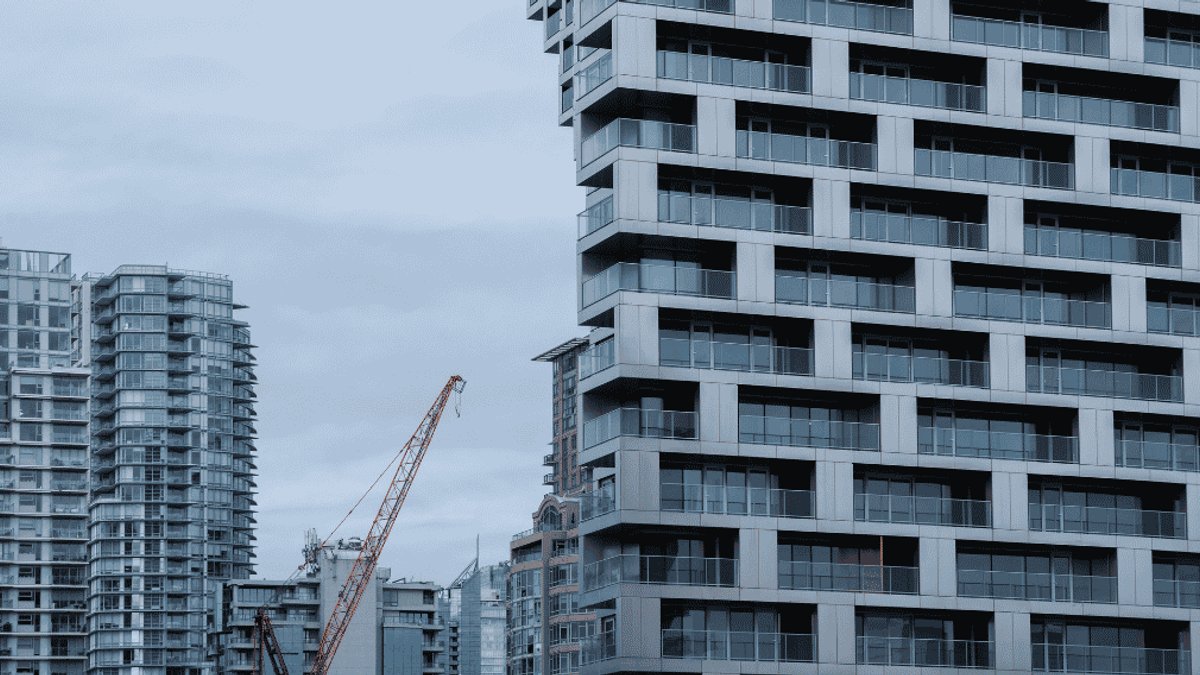
Metro Vancouver housing sales dropped 10 percent in July, ending the early-summer momentum seen in June, while prices in the Fraser Valley continued to ease more than demand, keeping the region more affordable than the surrounding market.
Greater Vancouver Realtors reported 2,061 residential sales in July, a 9.8 percent decline from the 2,286 sales recorded a year earlier. The drop erased the gains posted in June, where sales had risen across most property types. Sales were also 18.6 percent below the 10-year seasonal average of 2,532.
Andrew Lis, the board’s chief economist and vice-president of data analytics, said the pullback confirms June’s broad-based gains were not the start of a sustained recovery. “Last month, we reported broad gains in home sales across all home types, raising the question of whether demand would continue to build into the summer. Instead, July sales were down nearly ten per cent, led by an 18 per cent drop in apartment sales, confirming to market watchers that the June momentum was not sustained,” Lis said.
Apartment sales fell 17.8 percent year over year, the steepest decline among housing types. Detached home sales dipped 3.2 percent and attached home sales slipped 1.1 percent.
Related: August Calendar Highlights Events for Canadian Agents
Inventory levels remain raised
New listings totalled 4,991 in July, down 11.5 percent from 5,642 a year earlier, landing almost exactly on the 10-year seasonal average of 4,992. Active listings stood at 16,476, down four percent year over year but still 26.8 percent above the 10-year seasonal average, keeping the market well-supplied.
The sales-to-active listings ratio was 13 percent overall. Detached homes sat at 10.5 percent, attached homes at 15.8 percent and apartments at 14 percent. Lis noted that the slowdown in sellers coming to market for several months is beginning to translate into a gradual decline in the overall inventory level. “This shift remains in early days, and with sales in a holding pattern, price pressures of significance in either direction aren’t showing up in the data quite yet, with prices down roughly one percent in July,” Lis said.
The composite benchmark price for all residential properties was $1,088,800 in July, down 6.2 percent from a year earlier and down 0.9 percent from June.
While the Greater Vancouver market struggles with inventory and cooling demand, the Fraser Valley offers a different picture. Home prices in the region continued to ease in July, extending recent affordability gains, though buyer demand remained muted. The Fraser Valley Real Estate Board (FVREB) recorded 1,089 sales during the month, down five percent from June and nine percent compared with July 2025. Benchmark home prices fell 0.8 percent from June and seven percent year over year to $877,600.
Related: Digital signatures adoption stalls in property sector
Buyers hold the advantage in the valley
Buyer urgency has been notably absent from the Fraser Valley market for some time now, according to board chair Ishaq Ismail. “With inventory remaining high and competition subdued, buyers know they don’t have to rush. They can take their time evaluating their options, knowing they can return to a market that continues to offer plenty of choice,” Ismail said.
Seller activity slowed, with 2,836 new listings in July, down 14 percent from June and 18 percent lower than a year earlier. The Fraser Valley entered August with 10,044 active listings, down three percent from June but still 32 percent above the 10-year seasonal average. The sales-to-active listings ratio was 11 percent in July, below the 12 to 20 percent range typically associated with a balanced market.
Interim CEO Anthony Boone noted that economic uncertainty continues to influence buying decisions, but the region remains one of the Lower Mainland’s brightest spots for improving affordability. “As home prices continue to ease, qualified buyers are finding opportunities that simply weren’t available a few years ago, particularly those looking to enter the market or downsize,” Boone said.
Single-family homes and townhomes each took an average of 40 days to sell in July, while condominiums averaged 46 days on the market.


