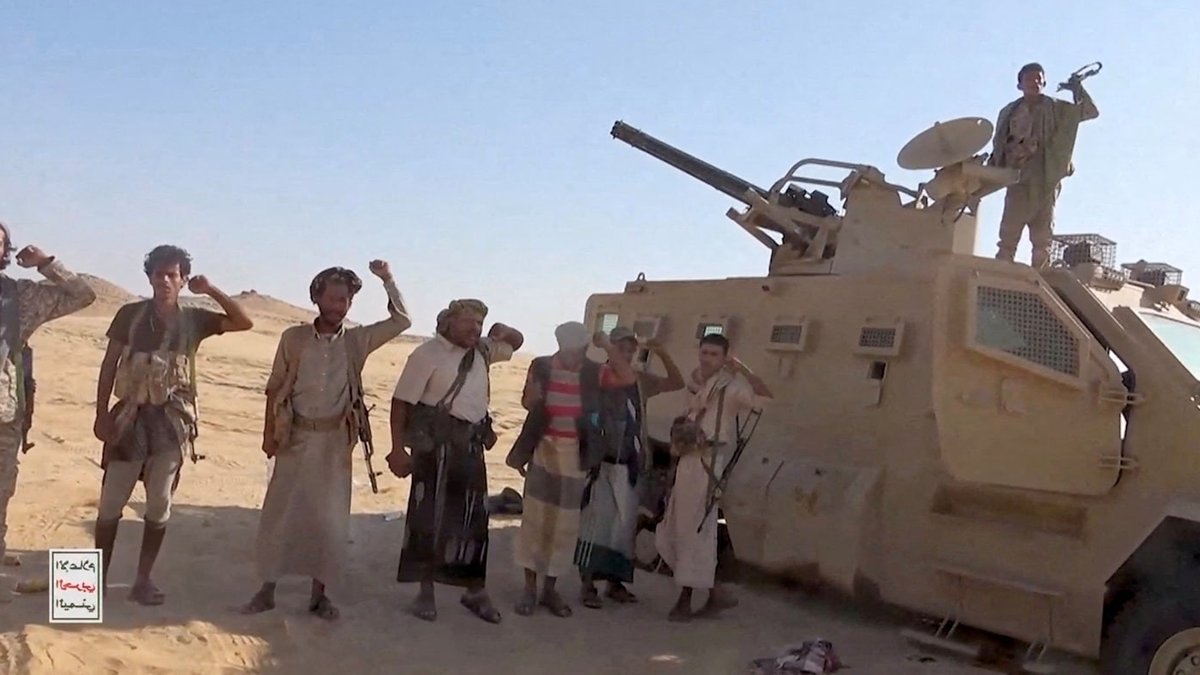
Saudi Arabia and Yemen’s Houthis resumed cross-border attacks on Thursday, deepening a war that has already forced more than 100,000 Yemenis from their homes and heightened concerns about wider unrest in the Middle East. Houthi-controlled outlets reported Saudi airstrikes in Hajjah province along the Red Sea and in Taiz to the south, while Saudi officials confirmed the first death linked to Houthi operations—a Yemeni resident in Saudi Arabia killed by drone fragments in Taif. This fatality marks the first confirmed killing since the latest escalation began last week, following reports of more than 80 injuries.
Red Sea shipping crisis disrupts global oil flows
The fighting has spilled beyond Yemen, jeopardizing global oil supplies by disrupting the Red Sea shipping lane, a vital alternative to the Strait of Hormuz, which remains under pressure from separate tensions. The Houthis, backed by Iran, now control Yemen’s entire Red Sea coastline, including the strategic Bab al-Mandab Strait, often called the “Gate of Tears”, and are blocking Gulf oil exports through it. The US Navy is redirecting vessels through the Strait of Hormuz, where 20% of the world’s oil and LNG shipments once traveled, but Iran has declared the waterway closed until Washington ends its sanctions.
Tehran is demanding Gulf states agree to collect transit fees from ships using the strait, a proposal that undermines efforts to restore stable oil flows. At the same time, crude prices have climbed above $100 per barrel, while US diesel costs reached an all-time high of nearly $6.40 per gallon on Thursday. The economic burden is becoming a political issue for US President Donald Trump, who must defend against rising energy costs ahead of November’s midterm elections.
Read Also: UAE named world’s top tax-friendly destination
Trump weighs military response amid Iran tensions
Trump has refused Saudi requests for direct military intervention against the Houthis, even though the group’s ceasefire with the US collapsed last year after Washington conducted two months of airstrikes. In a recent interview, he described the choice as a “major decision”: whether to escalate against Iran or adopt restraint. “I have a significant decision coming,” he stated. “Will I proceed with a large-scale strike, or will I hold back?” His earlier threats of major attacks on Iran have not been carried out, leaving uncertainty over any future US involvement.
The human cost of the conflict is severe. In Djibouti, Wahida Omer, a 50-year-old Yemeni, fled her village of Dhubab by boat after Houthi advances forced her to leave behind her home and husband, whose survival remains unknown. “The sea was terrifying,” she told the International Organization for Migration. “We wept the entire journey and arrived with nothing.” The IOM states that over 100,000 Yemenis have been displaced by the latest violence, primarily within Yemen’s borders.
The Houthis have intensified their conditions, demanding an end to Saudi airstrikes and the removal of what they call a blockade. Their leader, Abdul Malik al-Houthi, restated these demands in a televised address, seated beside a traditional dagger and surrounded by banners reading “Death to America, death to Israel, curse upon the Jews, victory for Islam.” The group has also claimed to have downed a Saudi F-15 fighter jet, though Riyadh has not acknowledged any losses. Meanwhile, they accuse Saudi forces of conducting hundreds of airstrikes in recent days, worsening the crisis.


