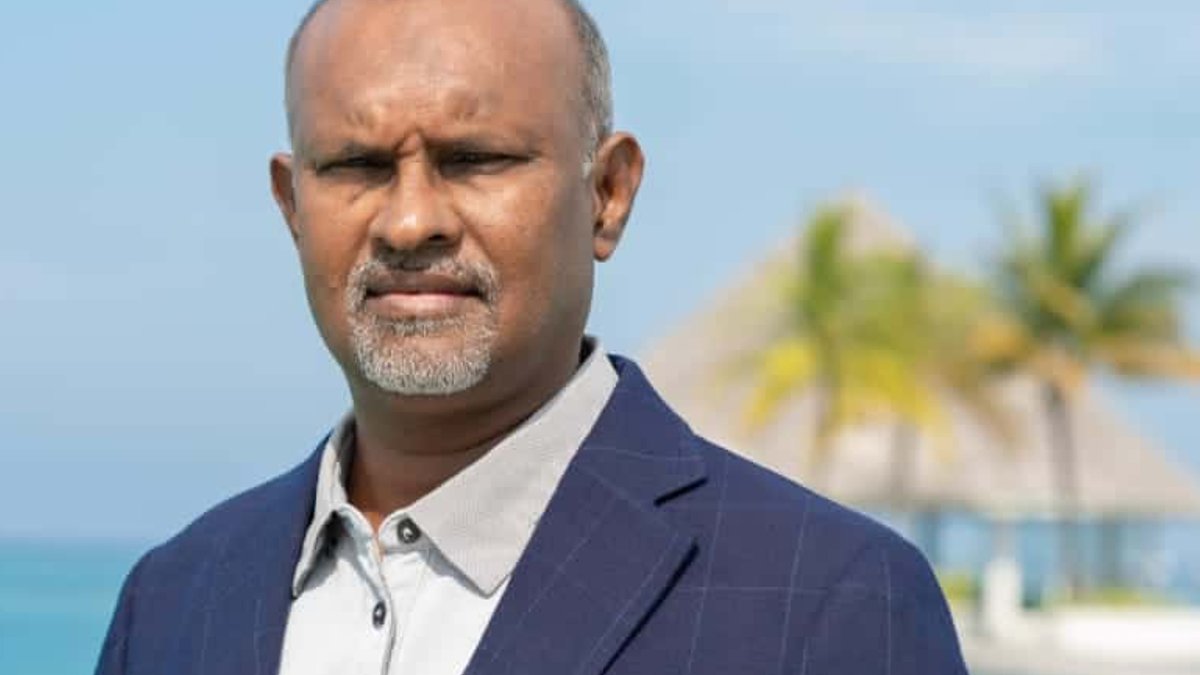
Mohamed Khaleel, CEO of Manta Air and managing director of Pulse Hotels & Resorts, has resigned from his role as tourism adviser to Maldives President Mohamed Muizzu, citing concerns over new foreign-currency policies that could strain the country’s tourism sector.
The resignation comes after Khaleel spent nearly two years advising the government, a position he took in November 2023. He initially accepted the role believing his expertise in aviation and hospitality could help shape tourism strategy. However, he said the government’s approach to foreign-currency rules left no meaningful opportunity for input.
The immediate trigger was a requirement for tourism businesses to convert 40% of their gross foreign-currency revenue into Maldivian rufiyaa. Khaleel argued this policy fails to account for the industry’s heavy reliance on dollar-denominated expenses—including taxes, leases, staffing costs, and loan repayments. Most resort financing also comes from international lenders, not local banks.
“As a hotelier, I understand that it is practically impossible for many hotels in the Maldives to meet that demand,” he said. To illustrate the impact, Khaleel shared financial data from four Pulse Hotels properties spanning different market segments: the budget-friendly Eri Maldives, the lifestyle-focused Kandima, mid-range Nova Maldives, and the ultra-luxury The Nautilus, where average daily rates exceed $3,000.
Read Also: Jamelia funds Dubai life with music royalties
He also noted that at a recent industry meeting, approximately 80% of more than 130 tourism representatives said meeting the 40% conversion requirement would be “practically impossible.” The policy was introduced to address a shortage of foreign-currency liquidity, though tourism remains a key dollar earner for the country. However, government spending and reliance on imports continue to strain reserves.
Tourism in the Maldives saw a strong start to 2026, but Khaleel pointed to regional disruptions, particularly among Middle Eastern carriers like Emirates, Etihad Airways, and Air Arabia—as a factor in subsequent declines. The airline and hotel sectors remain interconnected; Manta Air, which Khaleel still leads, now operates 23 aircraft and is the Maldives’ second-largest domestic carrier.
Khaleel emphasized that while addressing foreign-currency shortages is necessary, the current approach risks shifting the burden onto businesses without solving broader economic issues. He called for reduced government spending, reforms in state-owned enterprises, and tighter controls on what he described as “costly leakages” in the national health system.


