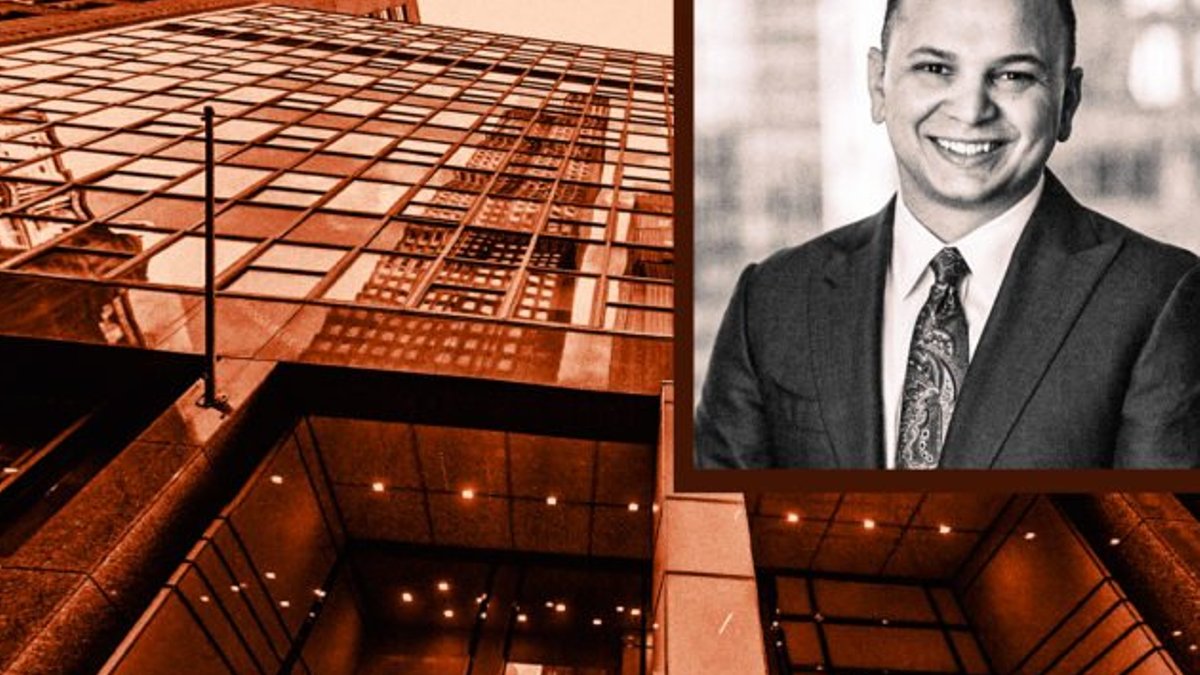
Uncertainty surrounds the future of American Strategic Investment Company after a series of financial setbacks put the firm on a potential path toward bankruptcy within the next year.
The company, formerly known as New York City REIT, faces a critical juncture as it struggles to meet its financial obligations. According to filings with the Securities and Exchange Commission, the firm raised “substantial doubt” over its ability to remain in business. AR Global, which holds a majority stake in the organization, noted in its 2025 annual report that this doubt has not been alleviated.
The real estate firm is staring down nearly $250 million in debt. In the first half of the year, ASIC posted a $16 million loss while generating less than $15 million in revenue over the same period.
Adding to the pressure, the company must make $500,000 monthly payments to AR Global affiliates regardless of its performance. The firm’s unrestricted cash at the end of the second quarter was $2.4 million, less than half of what it held a year ago.
Shares in ASIC have plummeted by more than 90 percent since 2022. The company did not respond to a request for comment from the publication.
Related: Mamdani pick sparks council uproar
Substantial doubt over solvency
The most significant threat to the company’s survival is the $140 million debt backing 123 William Street, a Class B office building in the Financial District. The loan is set to mature in March, yet the firm has been trying to sell the property for more than two years without finding a buyer.
Occupancy at the building has slipped to 72 percent. The mortgage is underwater, with the company valuing the property at $138 million, below the outstanding loan balance. AR Global originally purchased the property in 2015 for $253 million.
These struggles are part of a broader trend for the company’s portfolio. Two years ago, the organization led by Nicholas Schorsch Jr. sold 9 Times Square for $63.5 million, a loss of $100 million compared to what it paid for the property a decade earlier. The firm also agreed to a foreclosure of 1140 Sixth Avenue as the value of the Class A office building took a hit.
This recent volatility highlights a difficult reality for commercial real estate firms holding legacy debt in a shifting market. When assets are purchased at peak valuations and cannot be refinanced or sold at current market rates, the resulting cash flow mismatch forces difficult decisions regarding asset disposition or restructuring.


